Enhance Your Bond: The Ways Couples Counseling Can Transform Your Life Together
Relationship counseling creates a dedicated space for couples to examine the dynamics of their relationship. It addresses issues like communication barriers and trust deficits. A significant number of couples experience challenges that seem insurmountable. However, skilled guidance can facilitate breakthroughs. Understanding how these sessions work and the techniques employed can reveal new paths to connection. While couples work through their individual challenges, the potential for growth becomes evident. What might they discover about themselves and each other?
Understanding Couples Counseling: What You Need to Know
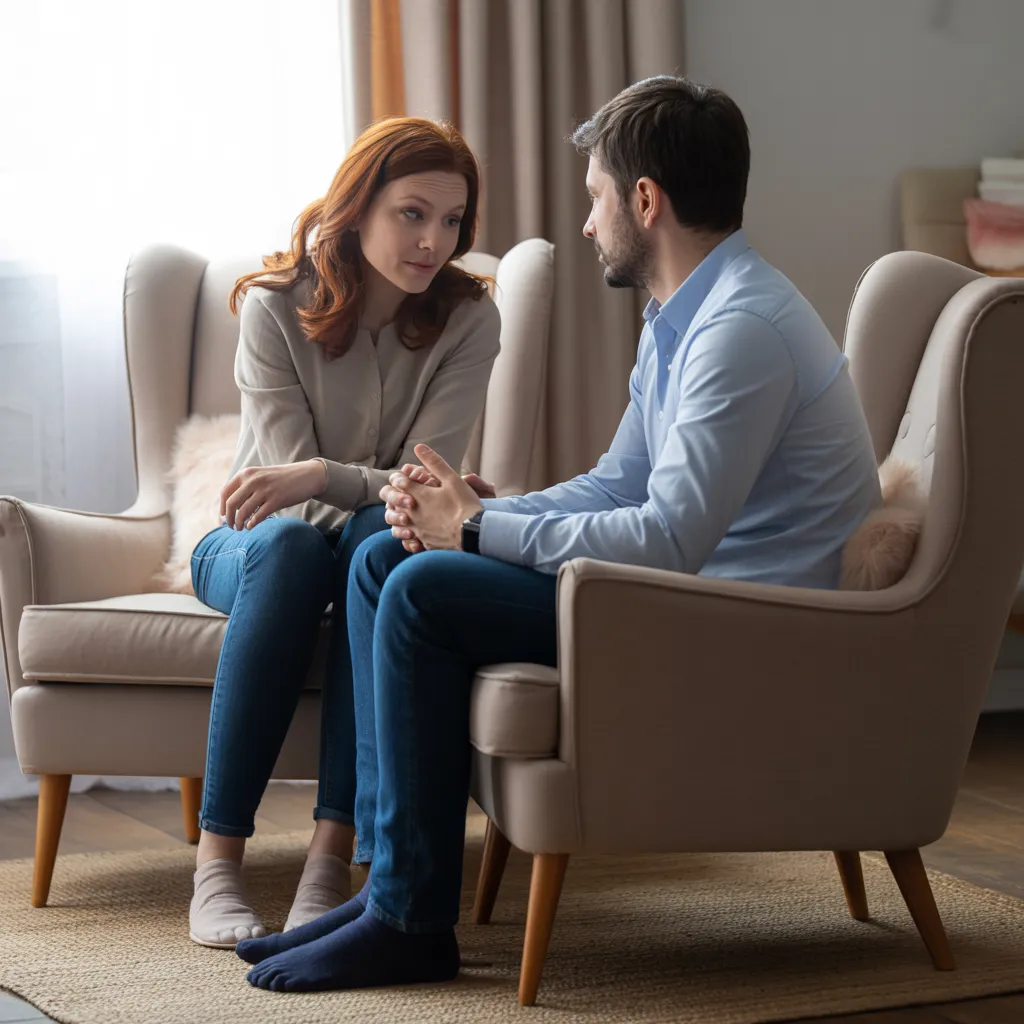
What factors contribute to the success of couples counseling functions? Several key factors are essential to the success of this therapeutic approach. For starters, the expertise and background of the counselor can greatly influence outcomes. A skilled therapist establishes a safe environment, encouraging open communication and trust between partners. Second, the willingness of both individuals to commit to the process is crucial; dedication to growth and personal transformation enhances progress. Moreover, the clarity of goals set at the outset of counseling can shape appointments and measure success over time. Additionally, active participation in activities and conversations allows couples to explore their dynamics and develop healthier patterns. Finally, the moment couples pursue support can influence outcomes; confronting challenges sooner often leads to greater improvements. Understanding these factors equips couples with the knowledge necessary to get the most from counseling, thereby enhancing their relationship.
Acknowledging Common Relationship Issues
Partners frequently encounter a variety of difficulties that test their connection. These challenges can appear in many ways, such as communication barriers, differing values, and unresolved conflicts. Many couples experience issues related to trust, rooted in prior experiences or expectations that go unmet. Additionally, financial stress often adds strain, resulting in conflicts over budgeting and financial priorities.
Another frequent struggle is managing the balance between individual desires and partnership expectations, which can generate emotions of resentment or neglect. Major life transitions, such as having children or experiencing career changes, may add further complexity to relationship dynamics, necessitating ongoing adaptation for couples.
Recognizing these typical challenges is the initial step toward resolving them efficiently. By acknowledging challenges, couples can work together to establish strategies, improving their sense of connection and strength in the partnership. This understanding is vital for cultivating a stronger, more harmonious bond.
How Communication Shapes Couples Counseling Outcomes
Strong communication holds a key position in the overall outcome of couples counseling. Techniques such as active listening, articulating feelings openly, and resolving conflicts constructively can profoundly affect relationship dynamics. Understanding these methods helps couples address their concerns with greater confidence, promoting stronger and more meaningful connections.
Effective Active Listening Methods
Active listening acts as a fundamental pillar in couples counseling, promoting greater understanding and connection between partners. This technique involves completely engaging with a partner's copyright, both verbally and non-verbally. Counselors frequently encourage couples to keep eye contact, nod in acknowledgment, and resist the urge to interrupt. Reflecting back what has been said can also illuminate intentions and emotions, facilitating a more thoughtful dialogue. Moreover, recapping key points shows attentiveness and validates the speaker's emotions. By applying these techniques, couples can minimize misunderstandings and build empathy, ultimately deepening their emotional bond. Active listening revolutionizes communication, allowing partners to handle conflicts more effectively and create a supportive environment for growth and healing in their relationship.
Communicating Emotions Successfully
Effectively conveying emotions serves as a pivotal element in determining the success of couples counseling. When partners articulate their feelings clearly, it cultivates compassion and insight, allowing both individuals to form a more meaningful bond. This clarity enhances the therapeutic process, enabling the counselor to identify underlying issues and patterns. Additionally, voicing feelings works to break down barriers that may have formed over time, creating a secure environment for openness. By mastering the art of conveying feelings, couples learn to communicate their needs and desires without falling back on accusations or resistance. As a result, this practice not only improves the counseling experience but also equips partners with valuable communication skills that can reinforce their connection long after treatment ends.
Resolving Conflicts Constructively
Effective communication not only supports the expression of feelings but also serves a vital role in addressing conflicts in a productive manner. In couples counseling, effective dialogue enables partners to articulate their needs and grievances without escalating tensions. By employing active listening techniques, couples can better understand each other's perspectives, fostering empathy and reducing misunderstandings. Counselors often guide couples in using "I" statements, which help express feelings without placing blame. This method promotes a cooperative environment where resolutions can be sought rather than concentrating exclusively on the issue. Furthermore, establishing guidelines for conversations, such as stepping away when feelings become overwhelming, can encourage more positive exchanges. At its core, effective conflict resolution enhances relationships, creating the foundation for more profound connections and lasting mutual respect.
Proven Methods in Couples Counseling for Building Stronger Relationships
Building a solid base in couples counseling requires the implementation of effective techniques that encourage open communication and mutual understanding. A primary approach is active listening, where partners develop the ability to thoroughly connect with each other's perspectives without interruption. This promotes empathy and minimizes defensiveness. Moreover, using "I" statements enables individuals to express their feelings without blaming the other, fostering a more constructive dialogue.
Another effective technique is the implementation of regular check-ins, enabling couples to address their relationship proactively rather than reactively. This establishes a supportive setting for voicing concerns and acknowledging achievements.
Role-play exercises can also be beneficial, as they enable partners to see things from each other's perspective and gain insight into each other's experiences. Through the application of these methods, couples can deepen their relationship, resolve conflicts more effectively, and develop a deeper understanding of one another, ultimately leading to a healthier relationship.
How Couples Counseling Helps You Manage Life Changes
Couples frequently face major life transitions that can strain their partnership dynamics. Life events such as changing residences, employment shifts, or starting a family can generate tension and anxiety. Relationship counseling presents a supportive setting for spouses to address these transitions collaboratively. Through facilitated dialogue, spouses can communicate their concerns, recognize their needs, and establish healthy coping mechanisms.
Counselors provide techniques to strengthen communication, fostering an environment of empathy and mutual respect. This assistance allows partners adjust to new roles and responsibilities while preserving a meaningful relationship. Through tackling root concerns, partners can stop conflicts from developing into conflict.
Moreover, therapy motivates partners to perceive changes as avenues for personal growth rather than challenges to be feared. As they discover how to unite in addressing hardships, couples often emerge more resilient and united. Ultimately, couples counseling serves as an essential resource during life changes, allowing couples to grow and succeed through life's transitions.
Reestablishing Trust Through Couples Counseling
When trust is broken within a relationship, the road to restoration can feel overwhelming, yet couples therapy provides a helpful structure for reestablishing that bond. In this space, couples can freely explore emotions of betrayal, discover root causes, and address communication barriers. The therapist acts as a neutral facilitator, supporting both parties in voicing their thoughts without judgment.
Through structured sessions, couples are taught to recognize behaviors that caused the breakdown, fostering awareness and understanding. This approach promotes personal accountability, enabling partners to own their behaviors while developing the capacity to forgive. Methods including active listening and empathetic engagement are highlighted, helping partners reconnect emotionally.
Fundamentally, couples counseling works to reestablish trust and further solidify the core of the partnership, giving partners the necessary tools to address upcoming obstacles. This preventative approach cultivates resilience, building a more meaningful bond founded upon refreshed trust and genuine respect.
Finding the Right Couples Counselor for Your Journey
Finding the right relationship counselor is vital for a effective therapeutic experience. Professional qualifications and experience are crucial in evaluating a counselor's effectiveness, while shared communication styles can deepen the connection between the couple and the therapist. Being aware of these factors can help individuals make a well-informed decision for their path forward.
Credentials and Expertise Matter
Finding the right couples counselor can greatly influence the outcome of treatment, as their credentials and professional history are vital in helping couples through difficulties. In searching for a counselor, people should consider professionals with appropriate credentials, such as a advanced degree in counseling or psychology, and focused education in couples therapy. Credentials from recognized organizations, like the American Association for Marriage and Family Therapy, can additionally confirm a therapist's qualifications. Experience plays an equally vital role; therapists who have guided diverse couples can offer helpful guidance suited for individual circumstances. By carefully selecting a skilled and seasoned counselor, couples can create a nurturing space, enhancing their progress toward relationship growth and healing.
Compatibility in Communication Styles
Strong communication is fundamental for partners pursuing therapy, as it significantly impacts the therapeutic process. Both partners contribute unique ways of communicating, which can either support or obstruct progress. When selecting a couples counselor, compatibility in communication style becomes vital. A therapist who understands and adapts to the couple's preferred modes of expression can establish a comfortable setting for candid discussion. Couples should consider whether they prefer honesty, compassion, or a more organized method during sessions. This alignment not only improves ease but also promotes openness, allowing for more thorough examination of concerns. By emphasizing compatibility in communication, couples can fully leverage the advantages of therapy, leading to greater success in addressing disagreements and improved relationship dynamics.
Questions and Answers
How Long Does Couples Therapy Usually Take?
Couples counseling generally spans between six to twelve sessions, depending on the couple's specific issues and goals. Each session usually lasts about 50 minutes, enabling detailed discussions and meaningful progress reviews during the journey.
Can Couples Counseling Work for Separated Partners?
Indeed, relationship therapy can be effective for couples who are separated. It offers a guided environment to resolve outstanding problems, develop dialogue, and consider the potential of reconciliation, allowing both partners achieve a clearer perspective on their path forward as a couple.
Does Couples Counseling Work for Non-Traditional Relationships?
Couples counseling can be effective for non-traditional relationships, as it creates a safe and welcoming environment to navigate complex relational dynamics, enhance communication, and resolve distinct relationship hurdles, Robin Bryant Ph.D. effectively cultivating understanding and connection among those in the relationship regardless of relationship structure.
How Can I Tell if We Need Counseling?
Indicators that therapy may be beneficial include recurring communication issues, frequent conflicts, emotional disconnect, or feelings of unhappiness. If individuals in a relationship are unable to resolve these concerns on their own, obtaining professional support could promote growth and progress in the relationship.
What Should We Expect in Our First Session?
In their opening session, couples can look forward to a supportive space to discuss concerns, an overview of their relationship patterns, and support from the therapist to identify goals for counseling, encouraging clear communication and deeper understanding.